

Published: November 6, 2026.
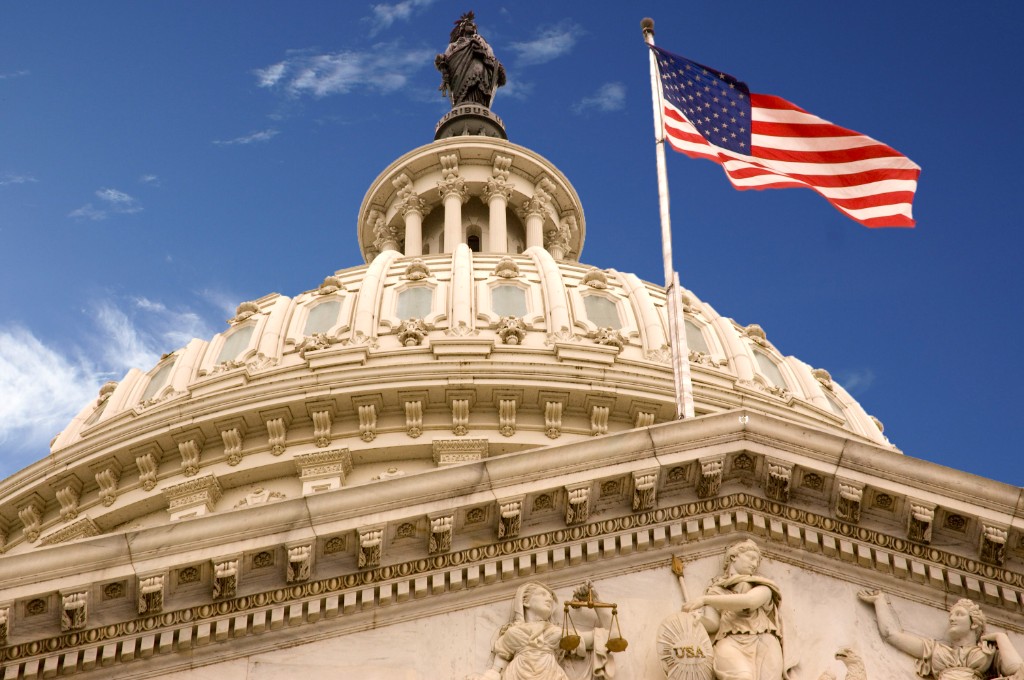
The November 3, 2026 midterms could change the political setting around U.S. immigration. Major news outlets, including ABC News, projected that Democrats won control of both the House of Representatives and the Senate. That shift matters for hearings, budgets, and any bill that needs a vote. It does not, by itself, rewrite visa rules.
Immigrants, international students, foreign workers, employers, and families still have to follow the rules that are in force today. President Donald Trump keeps executive authority over enforcement and over how agencies run existing programs through the end of this term. The new Congress is expected to take office at noon on January 3, 2027. That will be the 120th Congress.
1. What happened in the 2026 midterm elections?
The November 3, 2026 elections produced Democratic gains. News projections said Democrats would hold a majority in the House and control of the Senate. Democratic wins in some gubernatorial and state legislative races can also affect how states work with federal immigration enforcement.
The new congressional leadership takes office in January 2027. The result is divided government for the last two years of President Trump's current term: a Democratic Congress and a Republican White House.
For immigration, the near-term effect is more oversight. Committees can hold hearings, request records, and question officials from the Department of Homeland Security. Passing a new immigration statute still takes both chambers and the President's signature, or enough votes to override a veto.
2. Could immigration enforcement policies change?
Enforcement is likely to draw the closest congressional attention. Democratic lawmakers have raised concerns about Immigration and Customs Enforcement operations, detention conditions, deportation procedures, and how people are treated in immigration proceedings.
With majorities in both chambers, those lawmakers can organize hearings, seek agency records, and question DHS officials. Areas they may examine include:
- ICE detention practices and conditions.
- Deportation procedures and due process.
- Immigration arrests and enforcement operations.
- Oversight of federal immigration officers.
- Treatment of asylum seekers and other vulnerable people.
- Enforcement that involves state and local authorities.
Oversight is not a pause button. The executive branch still directs ICE and the rest of DHS. Funding already approved, and rules already on the books, limit how fast practice can change.
If you are in removal proceedings, detention, or another enforcement action, the election does not change your case. Deadlines and court orders still apply. People facing removal can review removal defense options with counsel.
3. Will H-1B visa policies become more favorable?
The H-1B visa remains central for specialized workers and for employers in technology, health care, research, and other fields. Startups hiring on H-1B can also review H-1B for startups.
H-1B policy has already changed, and more change is possible in 2027. A DHS rule effective February 27, 2026 replaced the random H-1B lottery with a wage-weighted selection process. A September 2025 presidential proclamation created a $100,000 fee for certain new H-1B petitions, mainly for workers outside the United States who need consular processing, and generally not for change-of-status cases inside the United States. A federal judge has upheld the fee so far.
Further H-1B changes in 2027 are more likely to come from the administration or the courts. A new H-1B statute needs both chambers and the President.
Until an official change takes effect:
- Current eligibility rules still apply.
- Employers still file a Labor Condition Application and pay the required wage. The Department of Labor's Foreign Labor Certification programs cover those wage and recruitment rules.
- USCIS still adjudicates H-1B petitions under the regulations and policies now in force.
- A bill is only a proposal until it becomes law.
Plan filings under the rules that exist now. Do not time a petition around a hoped-for political change.
4. Could green card and employment-based immigration policies change?
Employment-based permanent residence is another area to watch. Congress sets the annual immigrant-visa limits, so changing those numbers requires a new law. Processing rules, by contrast, can move through USCIS policy.
Green card processing is already stricter in 2026, and the midterms alone are unlikely to reverse that. A May 2026 USCIS policy memo treats adjustment of status, applying for a green card from inside the United States, as a discretionary benefit to be granted only in extraordinary circumstances. New public charge guidance took effect on September 18, 2026. USCIS has also paused some benefits for people tied to 19 designated countries, and courts have blocked parts of those pauses.
Watch these items against official sources, not campaign statements:
- Employment-based categories, including EB-1, EB-2, and EB-3. Employer sponsorship often runs through PERM and employment-based green cards. Founders may also look at employment-based green cards for startups.
- PERM labor certification at the Department of Labor.
- USCIS petition processing and adjudication.
- The monthly Visa Bulletin from the Department of State, and your priority date.
- Administrative policy on adjustment of status. Family adjustment cases are covered on the adjustment of status page.
If you have a pending case, keep your documents current and answer USCIS notices on time.
5. What could happen to international students and F-1 visa holders?
International students remain under the rules that apply to them today. A major rewrite of student admission is on hold.
On July 17, 2026, DHS published a rule that would end "duration of status" and replace it with fixed admission periods of up to four years for F-1 and J-1 nonimmigrants. On September 14, 2026, a federal court in Massachusetts postponed that rule nationwide, so the existing framework remains in place. The ruling is preliminary, the lawsuit continues, and the government may appeal.
Congress may still hold hearings on student visas, revocations, SEVIS reporting, Optional Practical Training, and STEM OPT. Hearings do not change the regulations. Students should keep valid F-1 status, follow employment limits, and check with their designated school official before a change in study or work. The firm's students and OPT page covers F-1, OPT, and STEM OPT questions.
Visa stamps for students and workers are issued by the Department of State at embassies and consulates. A change in Congress does not move a consular appointment or rewrite reciprocity rules.
6. Could asylum and refugee policies see changes?
Asylum and refugee policy will stay politically contested. Democratic lawmakers may press for more oversight of asylum processing, detention, immigration-court access, and how people seeking protection are treated.
Topics that may come up in hearings include eligibility and filing procedure, credible-fear interviews, detention and release, access to counsel, refugee admissions, court backlogs, and due process. Some of those practices can change by executive or agency action. Statutory eligibility rules generally need Congress.
Filing deadlines still run. People who need protection should follow the procedure that applies now and can read more on asylum.
7. Will family-based immigration and DACA be affected?
U.S. citizens and lawful permanent residents still sponsor relatives through the existing family categories. Those paths are described under family immigration, including family sponsorship and marriage-based green cards. Lawmakers may also reopen broader reform talks, including Dreamers and Deferred Action for Childhood Arrivals.
Current DACA recipients can still renew, but court rulings could change work permits in Texas. In January 2025, the Fifth Circuit held that DACA's work-authorization component is unlawful, that deferred action itself can continue, and that the ruling is limited to Texas. As of reports updated through October 2026, the district judge had not yet issued the order that would implement it. Existing DACA grants and work permits stay valid until they expire. USCIS cannot approve first-time requests under a 2021 Texas court order.
A permanent status for DACA recipients would require Congress to pass a law, and that law would still need presidential approval or a veto override. The election results alone do not grant residence or citizenship. Immigration Ascent does not publish a separate DACA service page. Recipients should renew on time and get legal advice before travel. Pending family cases should be tracked on the USCIS account for that receipt number.
8. Why immigration policy may not change immediately
A new majority does not flip federal immigration policy on election night. Several institutions share the work:
- Congress can introduce bills, pass statutes, approve budgets, and investigate agencies.
- The President sets executive priorities and can sign or veto legislation.
- DHS oversees the immigration agencies and carries out federal policy.
- USCIS decides petitions, applications, and other benefits.
- ICE enforces immigration law, including detention and removal.
- The Department of State issues visas abroad.
- The Department of Labor handles foreign labor certification, including H-1B labor condition applications and PERM.
Existing statutes, regulations, court orders, and appropriations constrain how quickly any of that moves. Separate political promises, introduced bills, agency announcements, and rules that have actually taken effect.
9. What should immigrants and employers do now?
Make decisions from current law and official guidance.
H-1B applicants and foreign professionals
- Check eligibility and the employer's filing record.
- Stay in status and meet the conditions of that status.
- Follow USCIS announcements for the form you are filing.
- Track petition deadlines and the employer's wage and LCA duties.
Green card applicants
- Read the Visa Bulletin for your category and chargeability.
- Confirm whether your priority date and filing chart allow the next step.
- Keep civil documents, employment letters, and addresses current.
- Ask counsel before you delay or withdraw a case because of an expected policy change.
International students
- Maintain F-1 status and SEVIS reporting.
- Follow OPT and STEM OPT work rules.
- Talk to your DSO before you change your program, employer, or address.
U.S. employers
- Keep H-1B public access files and PERM recruitment records in order.
- Watch DOL and USCIS announcements that affect filings you have open.
- Plan sponsorship against the rules in force, including wage-weighted H-1B selection and the $100,000 fee where it applies.
Policy can still move through legislation, executive action, rulemaking, and court decisions. Tracking the official text reduces the chance of acting on a headline.
10. What happens next? The immigration outlook for 2027
The next milestone is noon on January 3, 2027, when the 120th Congress convenes. The 20th Amendment sets that date unless Congress passes a law choosing a different one. Newly elected members are sworn in, the House elects its Speaker, and committees are organized after that. Bills can be introduced once the chambers are organized.
Issues likely to stay on the agenda:
- Oversight of ICE and DHS.
- Employment-based immigration and H-1B administration.
- Green card processing and the statutory visa limits.
- International student visas, including the duration-of-status litigation.
- Asylum procedure and refugee admissions.
- Family immigration and any DACA bill.
Whether the new majority turns hearings into statutes depends on the votes, the President's signature, and the courts. For applicants, the practical question is which policy has been adopted and implemented.
Official sources
These agency pages are the reference points for rules discussed above:
- U.S. Citizenship and Immigration Services
- U.S. Department of Homeland Security
- U.S. Immigration and Customs Enforcement
- U.S. Department of State, visas
- U.S. Department of Labor, Foreign Labor Certification
Election and case reporting cited for the November 2026 projections and the 2026 policy developments includes ABC7 Chicago (Democrats projected to gain control of the House and Senate), the Irish Times (Democrats take control of the House and Senate), CalChamber HR Watchdog (H-1B selection rules and the $100,000 fee), Envoy Global (USCIS adjustment of status guidance, 2026), Cozen O'Connor (federal court blocks the DHS duration-of-status rule), and Immigration Analytics (DACA after the midterms).
Immigration Ascent will keep following these developments and will update this page when an agency, a court, or Congress changes the rules that affect a filing.
The 2026 midterms shifted control of Congress, but most immigration changes in 2027 will come from agency rules and court rulings. Below are short answers on H-1B visas, green cards, international students, DACA, and when the new Congress starts. Last updated November 7, 2026.
Immigration FAQ: What the 2026 Midterms Mean for 2027
How will the 2026 midterm elections affect immigration?
The 2026 midterms are unlikely to change immigration rules overnight. Major news outlets, including ABC News, projected that Democrats won control of both the House and the Senate on November 3, 2026. The President still directs enforcement and most agency rules, and a divided government makes sweeping new immigration laws hard to pass. In 2027, expect more congressional oversight, budget negotiations, agency rulemaking, and court decisions to drive most changes.
Will H-1B visa policies change in 2027?
H-1B policy has already changed, and more change is possible in 2027. A DHS rule effective February 27, 2026 replaced the random H-1B lottery with a wage-weighted selection process. A September 2025 presidential proclamation also created a $100,000 fee for certain new H-1B petitions, mainly for workers outside the U.S. who need consular processing, and generally not for change-of-status cases inside the U.S. A federal judge has upheld the fee so far. Further changes would most likely come from the administration or the courts, since new H-1B legislation needs both chambers of Congress and the President.
Will green card processing change after the midterm elections?
Green card processing is already stricter in 2026, and the midterms alone are unlikely to reverse that. A May 2026 USCIS policy memo treats adjustment of status (applying for a green card from inside the U.S.) as a discretionary benefit to be granted only in extraordinary circumstances. New public charge guidance took effect on September 18, 2026. USCIS has also paused some benefits for people tied to 19 designated countries, and courts have blocked parts of those pauses. Annual green card limits are set by Congress, so changing them requires a new law. If you have a pending case, keep your documents current, respond quickly to USCIS notices, and speak with an immigration attorney.
What happens to international students after the 2026 elections?
International students keep their current status rules for now, because a major change is on hold. On July 17, 2026, DHS published a rule that would end "duration of status" and replace it with fixed admission periods of up to four years for F-1 and J-1 nonimmigrants. On September 14, 2026, a federal court in Massachusetts postponed the rule nationwide, so the existing framework remains in place. The ruling is preliminary, the lawsuit continues, and the government may appeal. Students should keep maintaining their F-1 status and follow guidance from their school's international student office.
Will DACA change in 2027?
Current DACA recipients can still renew, but court rulings could change work permits in Texas. In January 2025, the Fifth Circuit held that DACA's work-authorization component is unlawful but that deferred action itself can continue, and it limited that ruling to Texas. As of reports updated through October 2026, the district judge had not yet issued the order that would implement it. Existing DACA grants and work permits stay valid until they expire, and USCIS cannot approve first-time requests under a 2021 Texas court order. A permanent solution, such as a path to legal status, would require Congress to pass a law. Current recipients should renew on time and get legal advice before traveling.
When does the new Congress take office?
The new Congress takes office at noon on January 3, 2027. This will be the 120th Congress. The 20th Amendment sets that date unless Congress passes a law choosing a different one. On that day, newly elected members are sworn in and the House elects its Speaker. Committees are organized after that, and new legislation can then be introduced.
This information is general and current as of November 7, 2026. Immigration laws, fees, and court rulings change often. It is not legal advice and does not create an attorney-client relationship. Immigration Ascent is a division of Gillespie, Shields and Taylor. Content on this website is for general information and does not constitute legal advice. Reading this site or contacting us does not create an attorney-client relationship. Communications are governed by our Privacy Policy and Terms of Service. Contact: ptirunagiri@gillaw.com.